

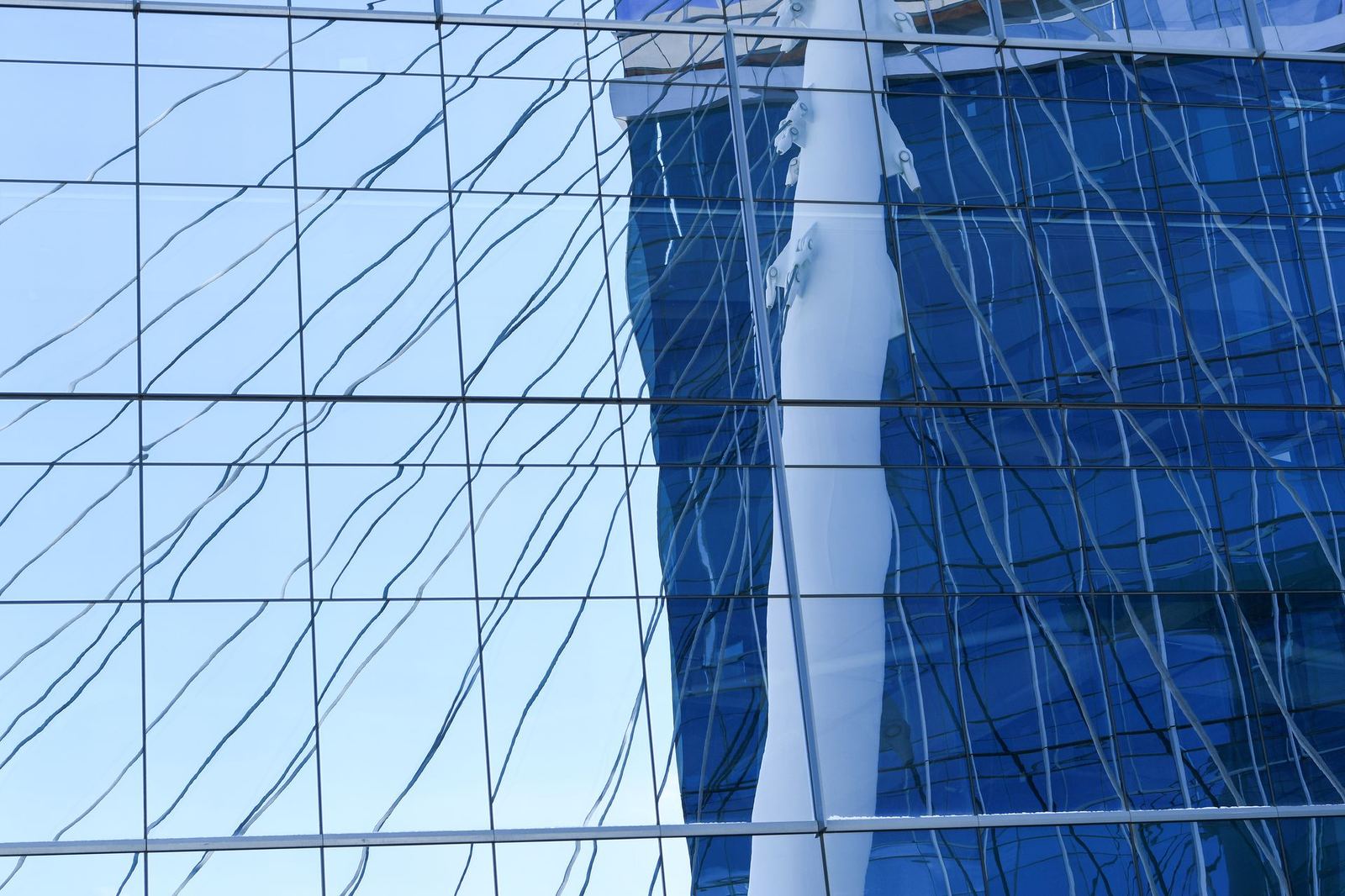
Curtain Wall Types: Stick, Structural Silicone and Unitised
How the three main curtain wall systems work, their advantages and which building suits which.
How is the thermal bridge cut in aluminium windows, and how do break width and foam fill affect the Uf value?
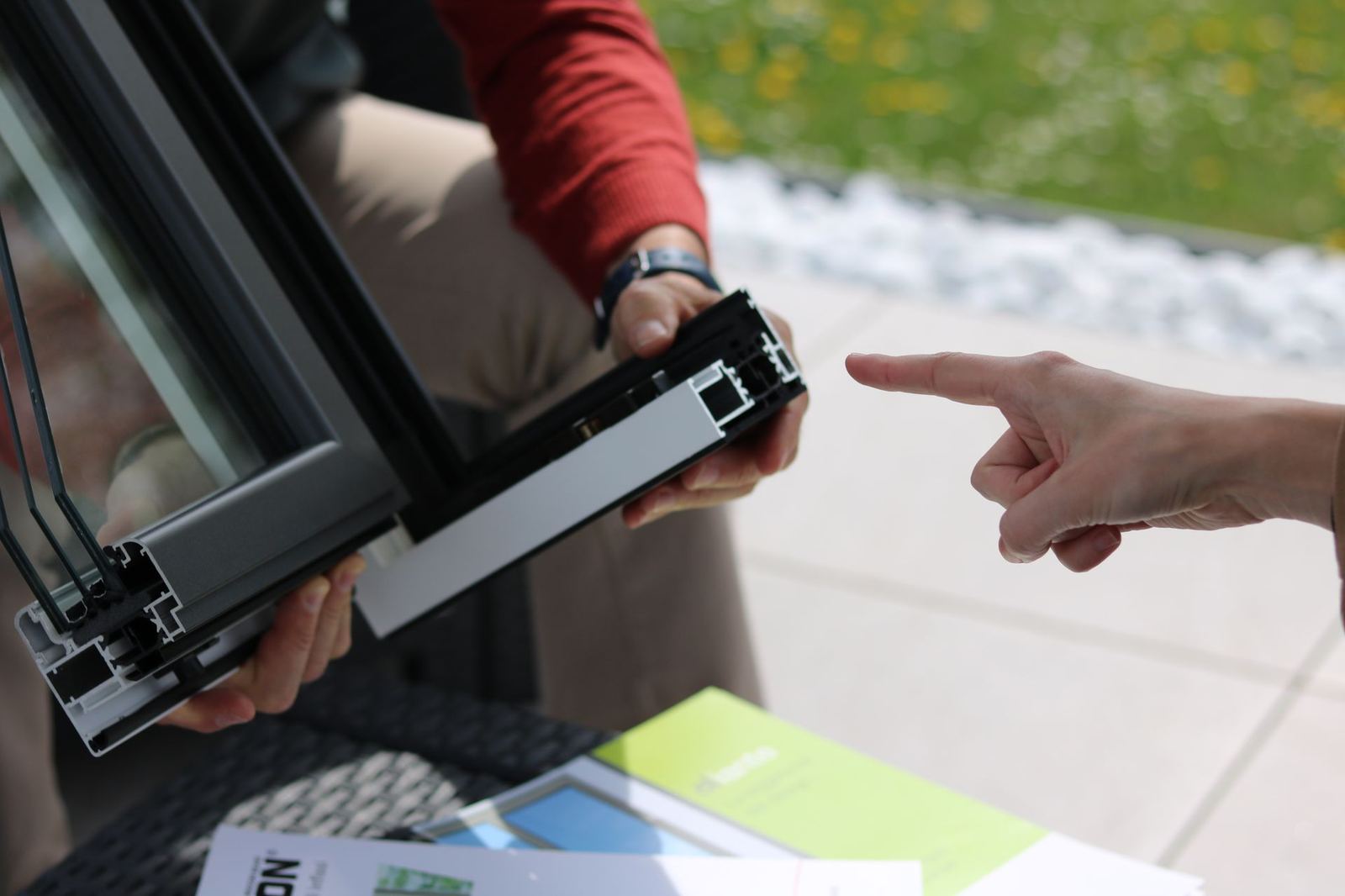
Aluminium conducts heat roughly a thousand times better than PVC. In an aluminium window without a thermal break, the inner frame surface in winter comes close to the outdoor temperature, making condensation, mould and significant energy loss inevitable. Thermally broken systems solve this with an insulating bridge between the inner and outer profiles.
The thermal break is made of thin strips of glass-fibre reinforced polyamide (PA66 GF25). The strips are mechanically rolled into channels in the inner and outer aluminium profiles, joining them structurally while cutting the heat flow between them. Polyamide conducts heat at roughly a thousandth of the rate of aluminium.
The wider the break, the greater the distance between inner and outer profiles and the lower the Uf value. Typical values are:
Closed-cell foam inserts in the cavity of the break zone reduce air movement and radiant heat transfer there, improving Uf by a further 0.3–0.5 W/m²K.
Looking only at the Uf value in a catalogue can be misleading. The whole-window Uw value is calculated from the frame area, glass area, the Ug value of the glass and the thermal bridge at the glass edge (Ψg). In aluminium windows with large panes and slim frames, the glass carries more weight, so a good glazing unit and a warm-edge spacer matter as much as the profile.
In hospitals, pools and other high-humidity spaces, not just Uf but also the inner frame surface temperature must be checked. A 2D thermal simulation to EN ISO 10077-2 can calculate the minimum inner surface temperature and condensation risk. On our projects we carry out this analysis for every critical detail based on indoor conditions.
For homes and offices, series with a 24 mm break offer a good balance. In cold climate zones, heat-pump buildings and projects targeting green building certification, we recommend 34 mm series with foam fill. You can try different combinations yourself with the Uw calculator on our website.
A side benefit of thermally broken profiles is that the inner and outer profiles can be coated separately. This allows anthracite on the facade and white or wood-effect finishes inside, a flexibility that PVC can only offer with foils.
How the three main curtain wall systems work, their advantages and which building suits which.